Design Document
Development Stack
The technology stack is selected for efficiency, accessibility, and feasibility for a solo developer. The focus is on rapid iteration and leveraging modern, open-source tools.
Godot Engine
The chosen game engine. Its Python-like scripting language (GDScript), powerful 2D workflow, and open-source nature make it the ideal choice over alternatives like Unity for this project.
Gemini
The primary tool for generating all visual assets, including character portraits, backgrounds, and sprites. Also used for narrative assistance like dialogue adaptation and brainstorming.
Suno AI
The recommended tool for music generation. It will be used to create a cohesive soundtrack with distinct themes for characters, locations, and moods (e.g., love, tension, battle).
ElevenLabs / Vercel TTS
A leading AI tool for generating high-quality sound effects. It can create a wide range of audio assets from text prompts, such as sword clashes, footsteps, and ambient environmental sounds.
Photoshop / GIMP
Essential for post-processing AI-generated art. Used for cleaning up assets, separating layers, and preparing character sprites for simple "puppet" animation within Godot.
AI-Assisted Asset Workflow
This workflow outlines the partnership between the developer and AI tools to create consistent, high-quality game assets efficiently. Click on a node in the diagram to see details.
1. Style Prompt Definition
This is the most critical first step. A master prompt is created to ensure a consistent visual identity across all generated assets. Example: "Character portrait in the style of a Persian miniature painting, intricate details, painterly, deep shadows..."
Dramatis Personae: Episode 1
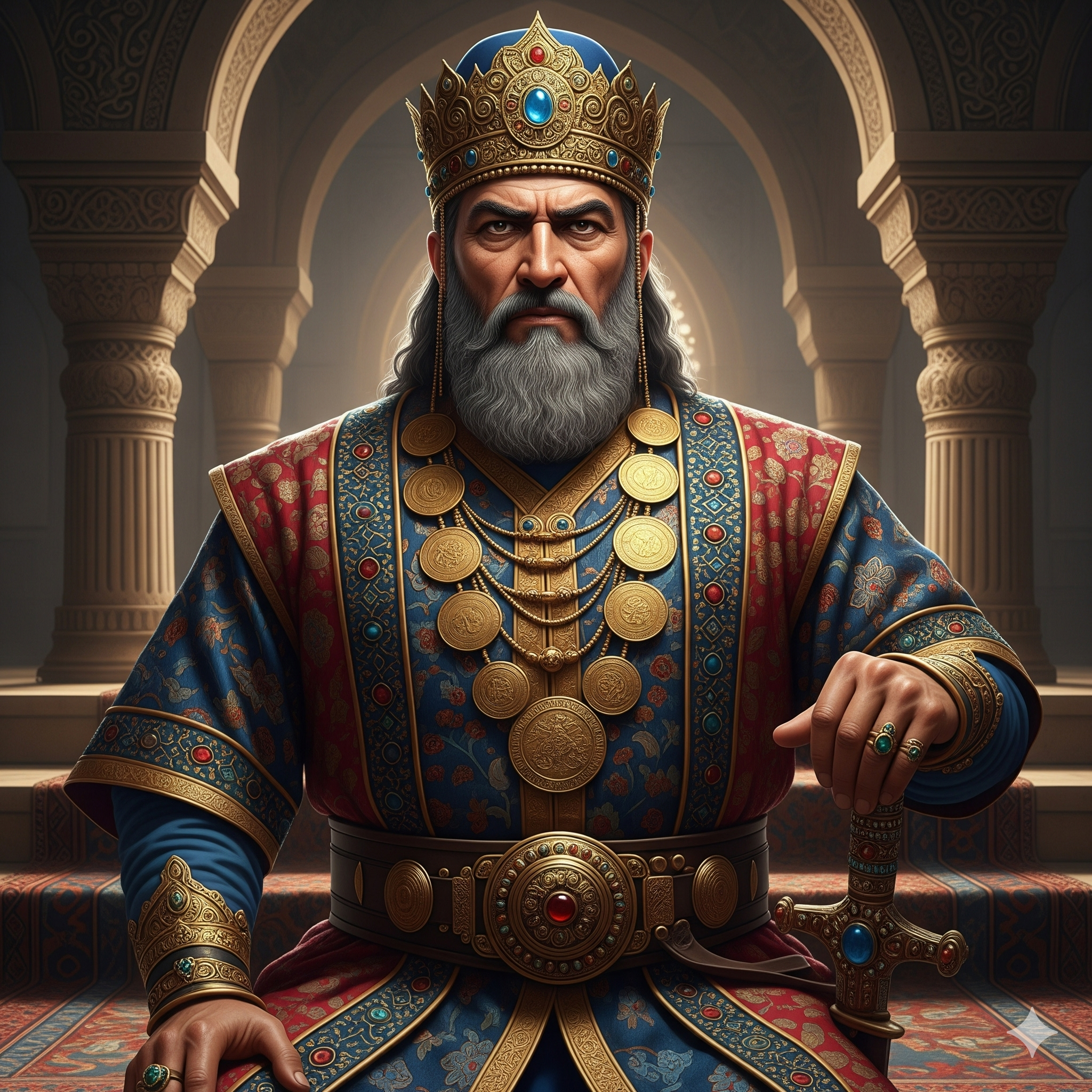
The first episode, "The Tale of Zal and Rudabeh," focuses on a core cast of characters whose relationships and conflicts drive the narrative. Select a portrait to learn more.
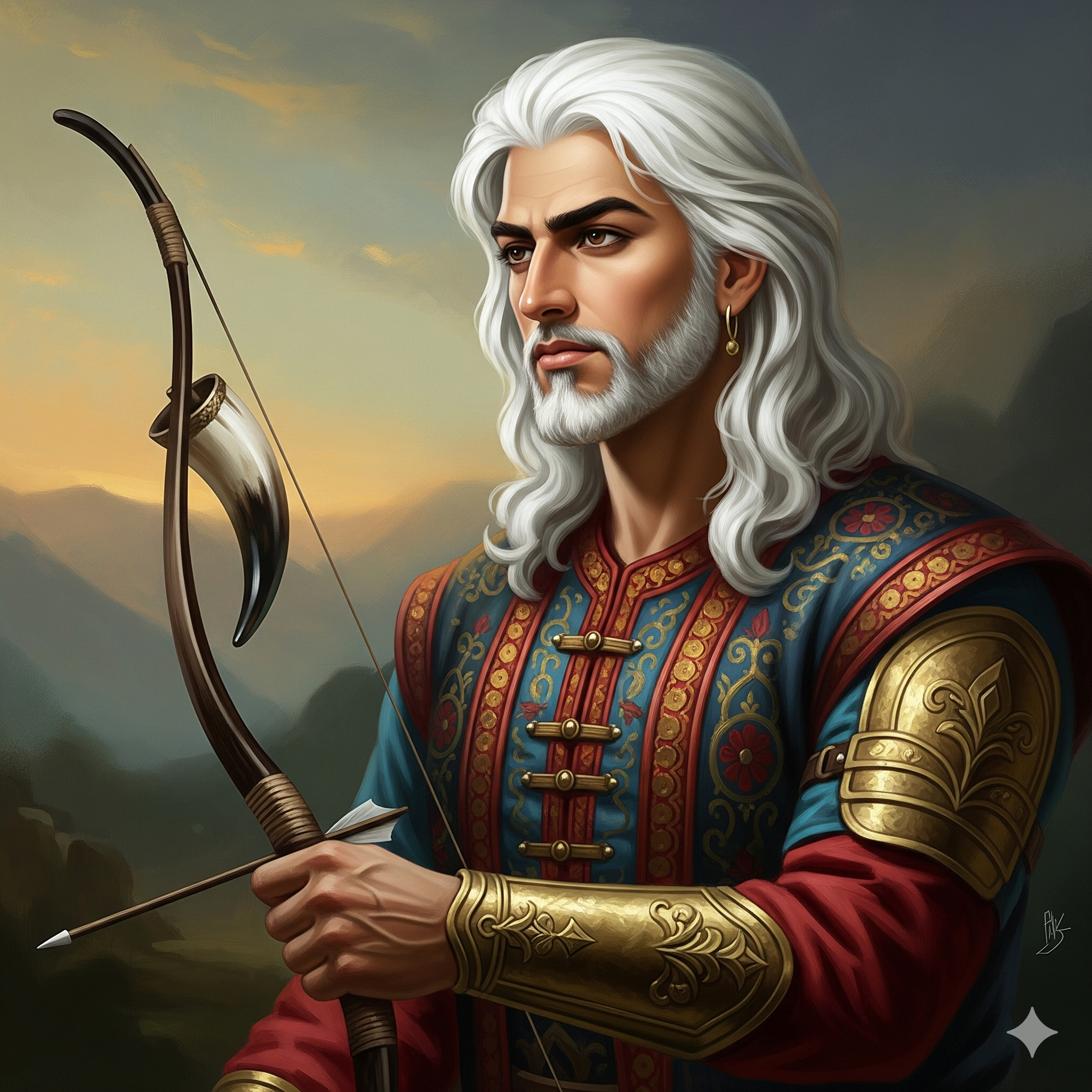
Zal
The White-Haired Prince
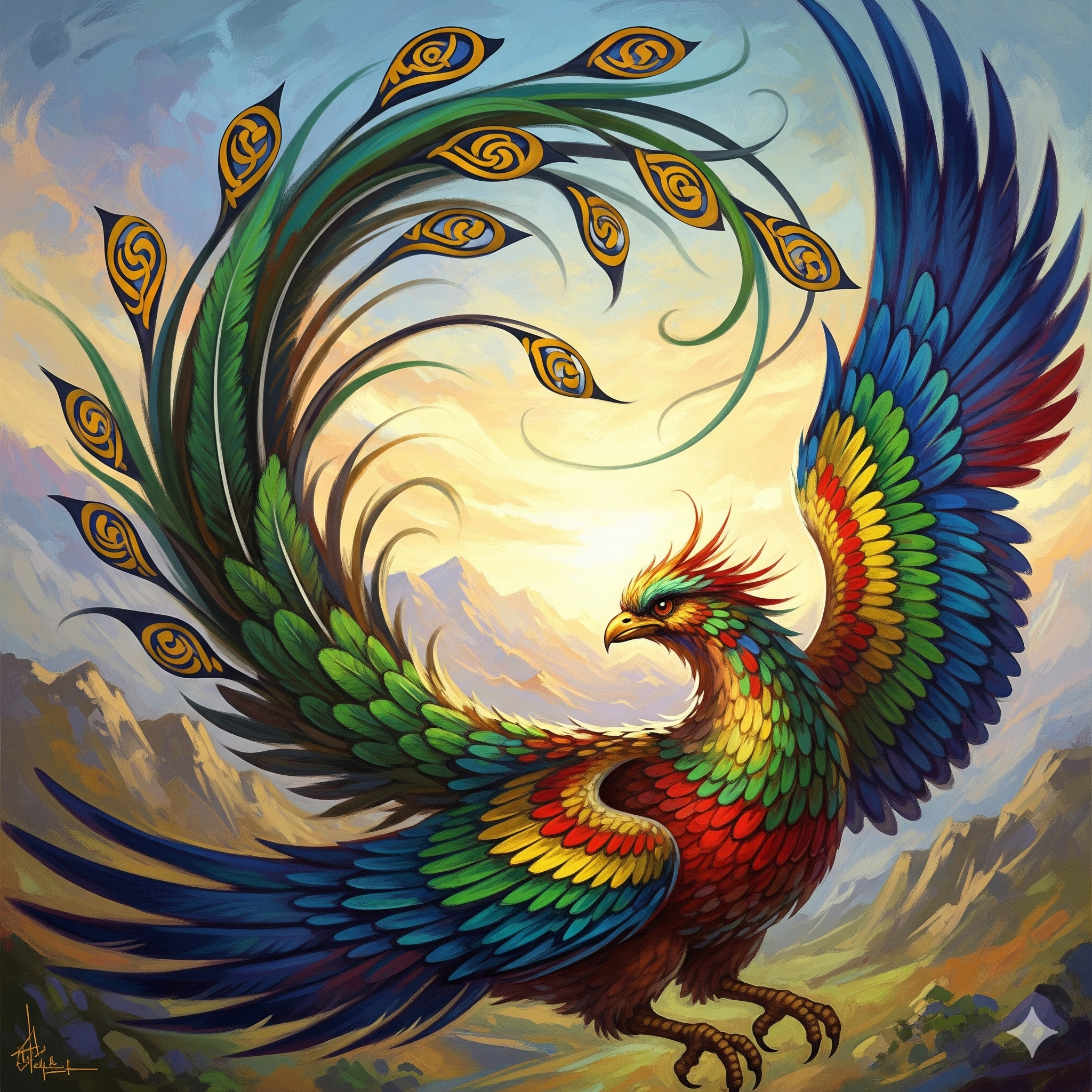
Raised by the mythical Simurgh after being abandoned for his white hair, Zal is a wise and skilled hero haunted by a sense of being an outcast. His journey is about proving his worth and fighting for a love forbidden by politics and prejudice.
Gameplay Role
The primary player character. In combat, he is a "Ranger" archetype, a master archer who can also command allies. His connection to the Simurgh grants him a powerful ultimate ability.
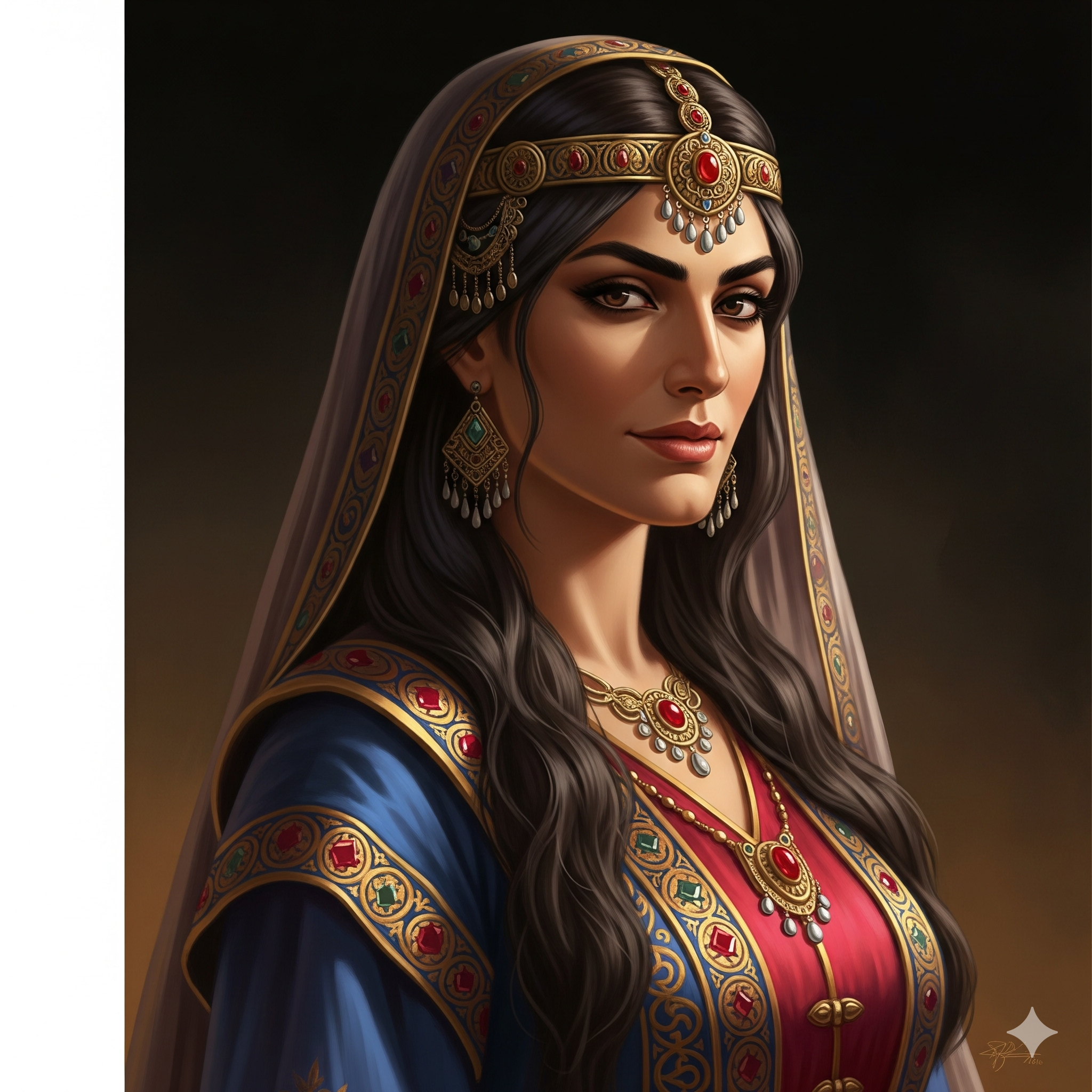
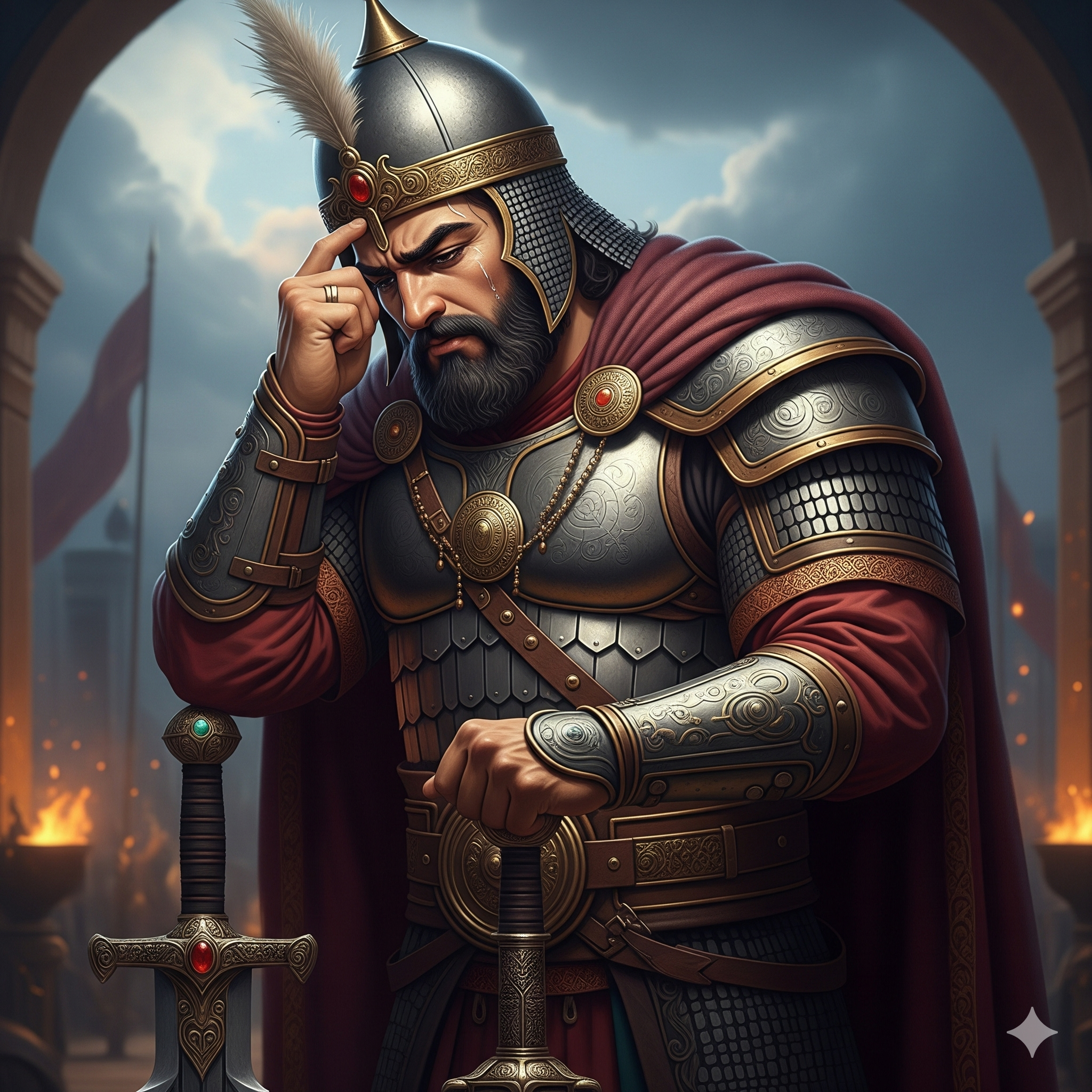
Episode 1 Story: The Tale of Zal and Rudabeh
The narrative follows a classic three-act structure, blending a powerful love story with political intrigue and mythical intervention. Gameplay is woven directly into the story's progression.
Act I: The Forbidden Meeting
+Zal hears tales of Rudabeh's beauty and they arrange a secret meeting, culminating in the iconic scene where he climbs her hair to her palace window. This act is heavily narrative-focused, driven by exploration and dialogue choices that establish their budding romance.
Gameplay Focus: Dialogue Systems, Exploration, Player Choice.
Act II: The Conflict of Houses
+Their love is revealed, causing outrage. The Shah of Iran forbids the union due to Rudabeh's lineage. Zal must navigate court politics, prove his worth, and defend his honor against those who see weakness.
Gameplay Focus: Introduction of the Tactical RPG combat system. Battles are story-driven, such as duels, defending a camp, or small skirmishes. Political dialogue choices can grant allies or make future battles more challenging.
Act III: Union & Prophecy
+After many trials, astrologers predict their child will be the world's greatest hero: Rostam. The families relent. The episode climaxes with Rostam's perilous birth, where Zal must burn the Simurgh's feather to save both mother and child in a unique, non-combat gameplay sequence.
Gameplay Focus: High-stakes narrative choices, culminating in a unique puzzle-like sequence involving the Simurgh's intervention. A powerful, emotional ending that sets up Episode 2.